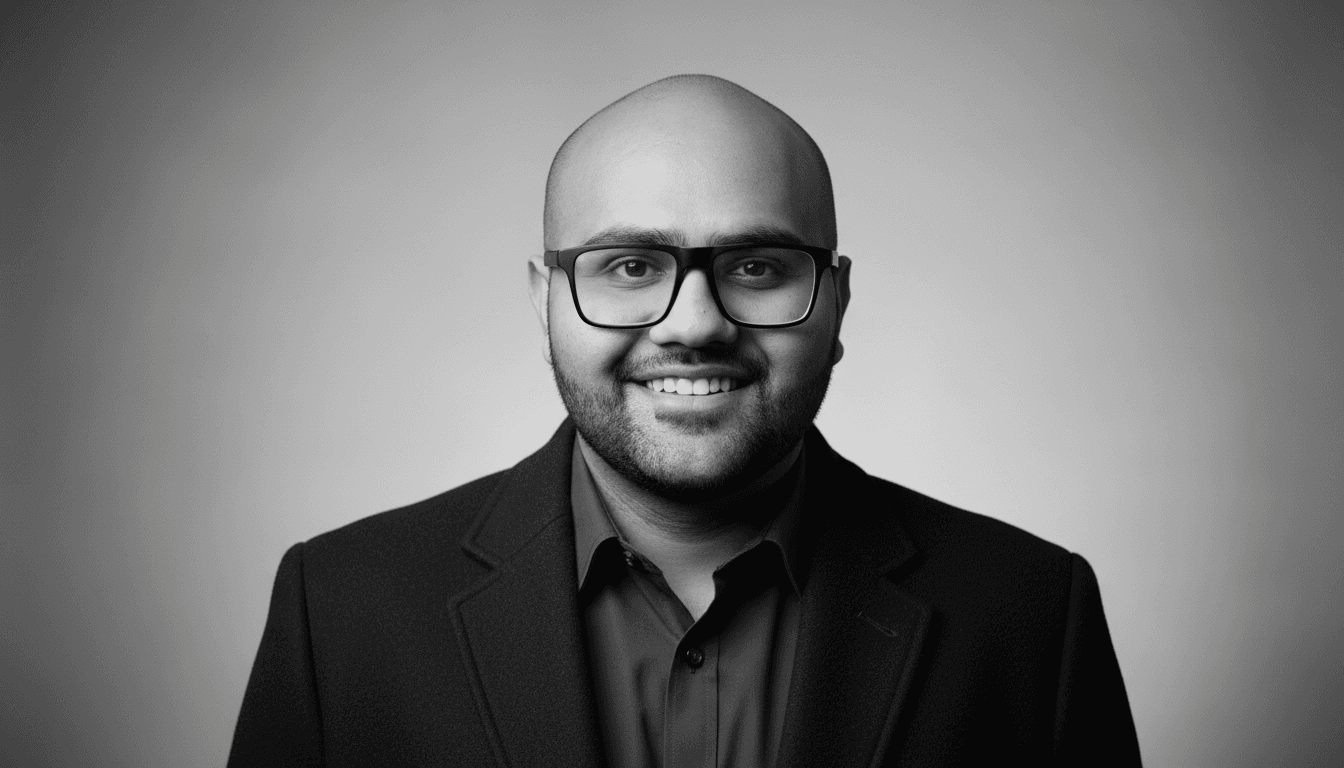
Ansh Agrawal
Founder
Built analytics infrastructure for 90+ startups before founding Datalyze in 2025. Specializes in product analytics, experimentation, and the messy first 90 days of fixing a broken stack. Mixpanel Certified. Based in India.
Datalyze was started by operators who'd spent years watching companies pour money into analytics tools that produced charts nobody trusted.
I started my analytics career at CRED. After that, I spent a few years freelancing — one startup at a time, fixing tracking, unblocking data teams, surfacing insights buried under broken foundations.
By engagement 30 or 40, I'd seen the same pattern at every company: three tools, four dashboards, zero confidence in any of the numbers. The fix wasn't more tools. It was the foundation underneath them — the events, pipelines, definitions, and models that nobody had time to fix.
In 2025, I started Datalyze to do this at scale. Senior operators only. No account managers, no junior analysts learning on the client's budget. We fix the foundation first, then turn it into the kind of insights that actually move revenue.
If your data has been telling you three different stories, we'd like to help.
Small team. Senior operators only. Every person here has built analytics foundations for dozens of companies before joining Datalyze.
Built analytics infrastructure for 90+ startups before founding Datalyze in 2025. Specializes in product analytics, experimentation, and the messy first 90 days of fixing a broken stack. Mixpanel Certified. Based in India.

Leads growth and experimentation engagements. Specializes in turning trustworthy data into the experiments that compound — pricing tests, onboarding flows, conversion paths.
Book a 30-minute call. We'll look at your stack, find the gaps, and tell you exactly what we'd fix first. No pitch deck, no follow-up unless you ask for one.
Book a Call